
Can You Live at Home During a Major Renovation in Brisbane?
Staying at home during a renovation can reduce temporary accommodation costs, but it is not always practical or safe. The right decision depends on the scale of the work, which parts of the house will remain usable and how the construction site can be separated from daily family life.
For a contained bathroom update, staying may be manageable if another bathroom remains available. During a major structural renovation, house raise or full internal rebuild, moving out can give the builder safer access and help the work progress with fewer interruptions.
Start with the construction scope
Ask which rooms will be affected and for how long. A renovation that removes the kitchen, disconnects services or opens large sections of the building envelope creates a different living situation from work contained within one room.
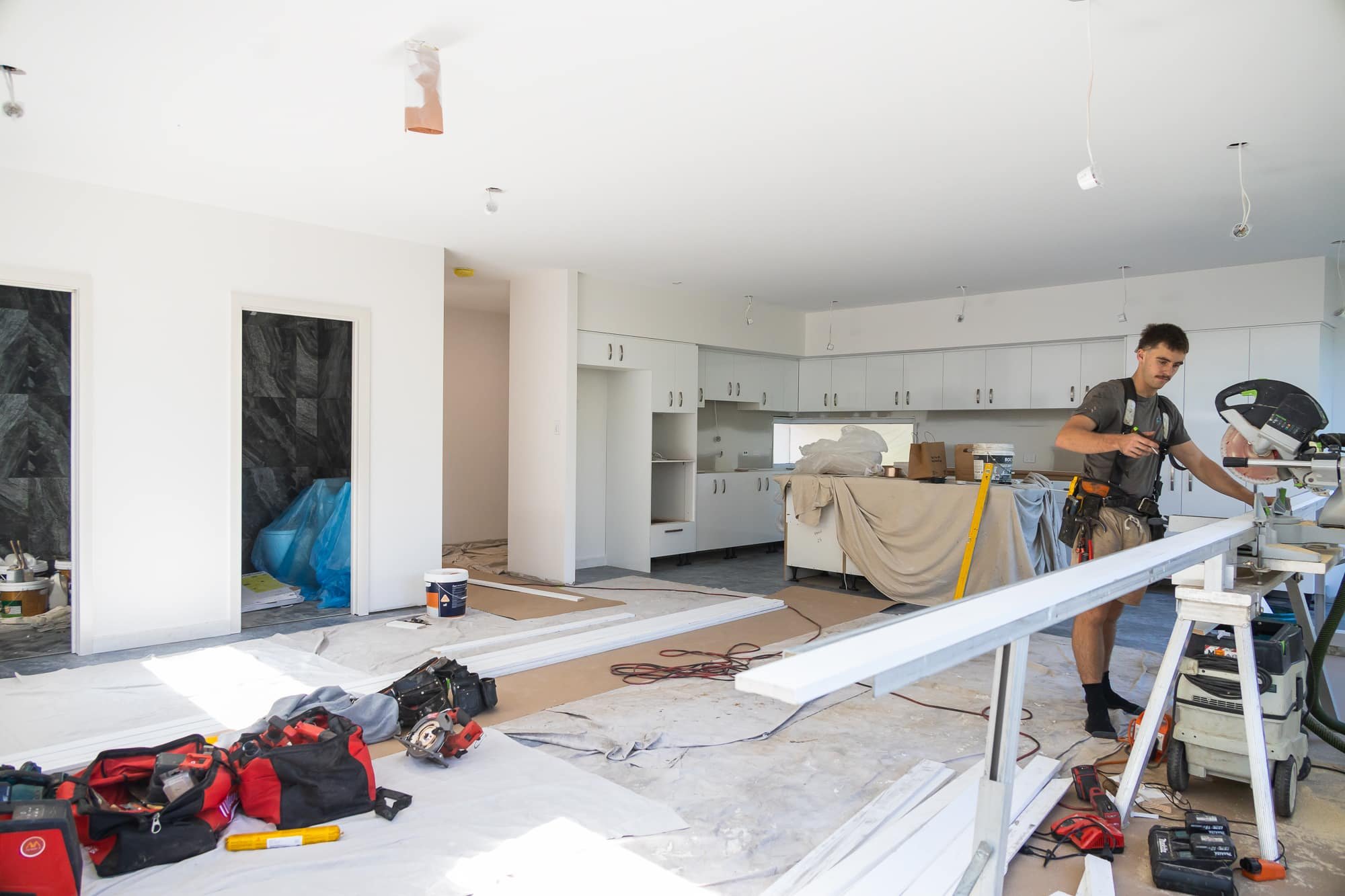
Major projects can involve demolition, temporary supports, exposed framing, power tools, dust, noise and frequent movement of trades and materials. Even when the work area is screened, construction activity can affect the rest of the house.
Safety comes before convenience
A residential building site is still a workplace. Your builder needs control of the site and must manage access, hazards and work health and safety requirements. Children, pets and visitors can make that control harder.
Some stages may make the home unsuitable for occupation. Structural demolition, roof removal, asbestos work, major electrical changes or temporary loss of fire and weather protection can all require you to stay elsewhere. Follow the builder’s directions about site access and do not enter work zones without approval.
Check whether essential services will remain available
Daily life quickly becomes difficult when water, power, hot water, cooking or bathroom facilities are unavailable. Ask when each service will be disconnected, whether outages will affect the whole house and what temporary arrangements are realistic.
A temporary kitchenette may work for a short period. It is less useful when dust moves through the house, refrigeration is unreliable or washing facilities are cut off. If you work from home, consider construction noise, power interruptions and trade access during business hours.
Staying can affect the construction program
Trades may need to pack up tools, secure work areas or restore temporary access at the end of each day. The builder may also need to stage the work so one part of the home remains usable. That can create extra handling and reduce the number of areas that can be worked on at the same time.
Moving out does not guarantee a shorter project, but it can give the team clearer access and more flexibility. Ask your builder how occupation would affect the proposed sequence rather than assuming you can decide later.
Consider the real cost of both choices
Temporary rent is easy to see in a budget. The cost of staying is less obvious. It can include takeaway meals, storage, extra cleaning, pet care, time away from work and the stress of living beside an active building site.
If you move out, include overlap at the beginning and end of the lease. Construction programs can change due to approvals, product lead times, hidden building conditions or weather. A small timing buffer can reduce pressure near completion.
Questions to ask before deciding
Confirm which areas will remain secure and weatherproof, whether you will have a working bathroom and kitchen, how trades will enter, where materials will be stored and whether parking or outdoor areas will be affected. Ask about dust controls, working hours, pets and the stages when nobody can occupy the home.
Also consider your household rather than the average homeowner. Young children, shift work, asthma, mobility needs or home-based work may change what is realistic.
Agree on the arrangement before work begins
If you plan to stay, the builder should know during project planning. The site setup, work sequence and access rules can then reflect that decision. If moving out is the better option, plan accommodation around a realistic program rather than an ideal completion date.
Poyntz Construction helps Brisbane homeowners plan major renovations around the house, the site and the way the family lives. A clear conversation before construction begins can prevent daily frustration once the work is underway.